
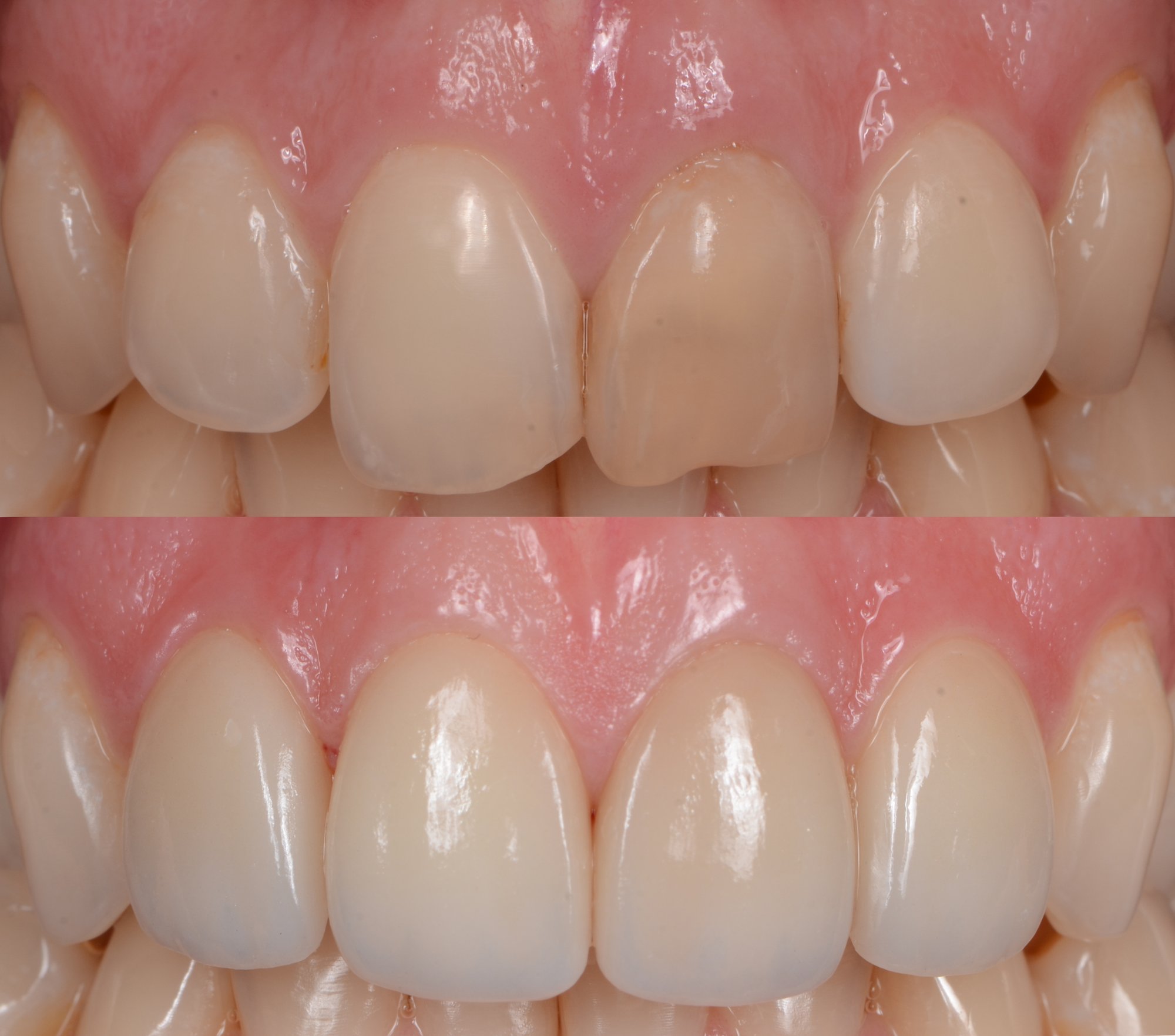
Chipped a tooth and wondering if bonding will really hold up? Dental bonding repairs a chipped tooth by adding tooth-colored resin that is shaped and hardened in place. Dental bonding is a cosmetic fix that uses composite resin, a putty-like material, to rebuild a damaged tooth in a single visit. How long it holds up depends a lot on the tooth and your daily habits. A chip is stressful, but the fix is often less involved than people expect, and knowing what to expect helps you decide if bonding is right.
Key Takeaways
- Dental bonding repairs most chipped teeth in a single visit, with no lab work required.
- Bonded repairs typically last three to ten years, depending on placement and daily habits.
- Composite resin is durable but softer than natural enamel or porcelain veneers.
- Nail-biting, chewing ice, and nighttime grinding all shorten the life of a bonded repair.
- A chipped bond is usually quick and inexpensive to smooth, repair, or replace.
Will Bonding Hold Up on a Chipped Tooth?
For most chips, bonding is a solid fix. It is a common choice for chipped front tooth repair because it blends in and takes just one visit. The resin bonds to the tooth, is shaped to match, and then hardens under a special light. On front teeth, which take less chewing force than molars, bonding holds up well for everyday use.
Very large chips or heavy-bite areas may need a crown or veneer instead. Bonding is best for small to moderate chips, and on a front tooth the color match makes the repair nearly invisible. It also costs less than a crown or veneer, which matters for a simple chip. Most people are surprised how natural a bonded chip looks.
How Long Does Dental Bonding Last?
This is the big question for anyone weighing a repair. So how long does dental bonding last? According to the Cleveland Clinic, bonding material usually lasts between three and ten years before it needs a touch-up or replacement. The exact time depends on where the bonding is and how you treat it. Front-tooth bonding used for looks tends to last longer than bonding on a heavy-chewing surface, and where the chip sits and how hard you chew on it both affect the lifespan. Regular checkups let a dentist catch wear early. Bonding does not last as long as porcelain, but it is quicker and removes little tooth, so many people happily re-bond a tooth every several years.
What Habits Can Chip Bonding?
Bonding is durable, but it has limits. Because composite resin is not as hard as enamel, certain habits can chip it. Biting nails, chewing ice or pens, and using teeth as tools are common culprits. Grinding or clenching, called bruxism, wears bonding down over time. Opening packages or bottles with your teeth is another quick way to chip it. Chewing ice or pens can crack it too, so small changes protect the repair for years. Treating a bonded tooth gently keeps it intact for longer. Cutting back on these habits and wearing a mouth guard at night if you grind helps bonding last.
How Do You Make Bonding Last Longer?
A little care goes a long way. Brush twice a day, floss daily, and keep up with checkups so small issues get caught early. Try not to bite hard foods directly with a bonded front tooth. Coffee, tea, and tobacco can stain bonding, so cut back or rinse afterward to keep it looking bright. With good habits, many people get close to a decade from a bonded tooth. If you notice a rough edge or a small chip, have it smoothed or repaired early, since catching it fast keeps the fix small. Regular cleanings also keep the bonded area looking bright.
Bonding vs. Other Options
Bonding is not the only way to fix a chip. For a full bonding vs. veneers comparison, a separate guide covers that choice in detail. In short, bonding is faster, costs less, and removes little or no enamel, while veneers last longer and resist stains better. For a small chip, bonding is often all you need. For a big change or the longest life, veneers or a crown may fit better. A dentist can help you weigh cost, looks, and how long each option lasts. For many chipped front teeth, bonding hits the sweet spot of speed, cost, and appearance.
A Quick Fix That Can Last
Will dental bonding hold up on a chipped tooth? For most chips, yes, especially on front teeth and with good habits. Dental bonding rebuilds the tooth in one visit and can last three to ten years or more.
If you want to learn more about fixing a chipped tooth with bonding, visit our Dental Bonding in Milwaukee, WI page or schedule a consultation.