
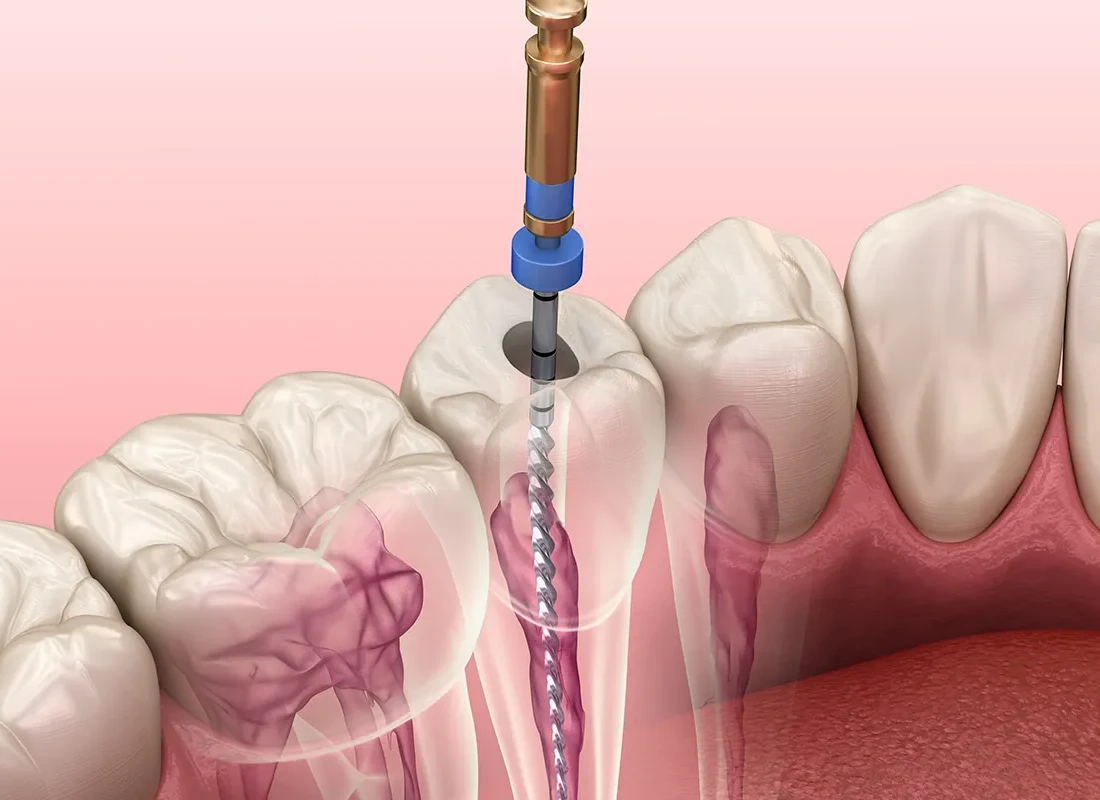
Few dental treatments have a worse reputation than the root canal — and few are more misunderstood. For most people, the pain they associate with a root canal is actually the pain of the infection that makes the treatment necessary. The procedure itself is what brings that pain to an end. Here’s what a root canal really is, how it works, and why today’s patients are so often surprised by how comfortable it is.
What Is a Root Canal?
Every tooth has a soft center called the pulp, which contains the nerves and blood vessels that kept the tooth alive as it developed. When decay reaches deep into a tooth, or when a crack, repeated dental work, or trauma lets bacteria into that inner chamber, the pulp becomes infected and inflamed. Left alone, that infection can cause serious pain, swelling, and eventually the loss of the tooth.
A root canal — more accurately called root canal therapy — treats the problem at its source. Rather than removing the whole tooth, we remove only the infected pulp, clean and disinfect the inside of the tooth, and then seal the space to keep bacteria out. The outer tooth stays right where it belongs, so you keep your natural bite and appearance.
The Root Canal Process, Step by Step
A typical root canal is more straightforward than most people expect:
- Numbing and comfort. We fully numb the tooth and surrounding area, checking in with you until you’re completely comfortable before anything begins.
- Accessing the pulp. A small opening is made in the top of the tooth to reach the infected tissue inside.
- Cleaning and shaping. The infected pulp is gently removed, and the inner canals are cleaned, disinfected, and shaped so nothing is left behind to reinfect the tooth.
- Sealing the tooth. The cleaned space is filled and sealed to prevent bacteria from returning.
- Restoring strength. Because a treated tooth can become more brittle over time, we usually recommend a crown to protect it and restore full chewing strength.
Many root canals are completed in a single visit, and thanks to modern imaging and techniques, the whole process is far quicker and more precise than it was even a decade ago.
Does a Root Canal Hurt?
This is the question we hear most — and the honest answer surprises people: for the vast majority of patients, a root canal feels no different than having a routine filling placed. With modern anesthetics, the tooth is completely numb throughout the procedure. What you’re relieving is the deep, throbbing ache of the infection, which is why so many patients describe walking out feeling dramatically better than when they walked in.
Some mild tenderness for a day or two afterward is normal and easily managed with over-the-counter pain relievers. Within a few days, most people are back to normal and using the tooth as if nothing happened.
Why Saving the Tooth Matters
It can be tempting to think that pulling a painful tooth is the simpler option. But your natural teeth are always the best teeth to keep. Preserving your own tooth maintains your natural bite, keeps neighboring teeth from shifting, protects the jawbone, and is usually more cost-effective than removing the tooth and replacing it later with a bridge or implant.
When to See a Dentist
If you’re dealing with lingering tooth pain, sensitivity to hot or cold that doesn’t fade, swelling or tenderness in the gums, or a tooth that has darkened, don’t wait — early treatment is almost always simpler and more comfortable. Learn more about root canal therapy at Delicate Smiles, or call our Milwaukee office to schedule a visit. Relief may be closer, and far easier, than you think.