
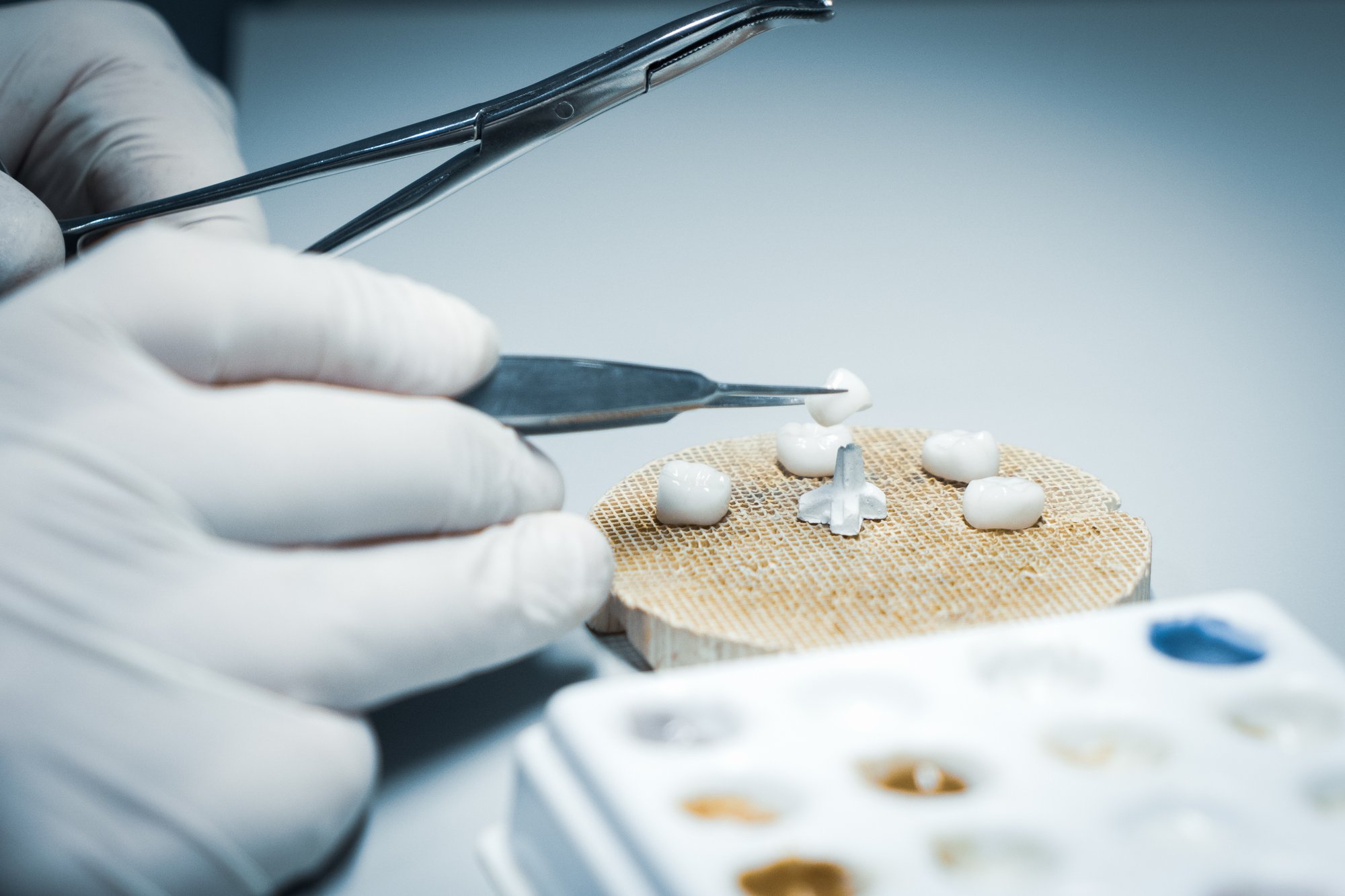
Ready to refine your smile but torn between two popular options? The choice between veneers vs. bonding really depends on your goals, your budget, and the look you want to last. Veneers are thin, custom porcelain shells bonded to the front of your teeth for a polished, lasting result. Chosen thoughtfully, veneers can transform a smile with natural-looking refinement. It is the kind of considered detail you might admire in the sweeping architecture of the Milwaukee Art Museum.
Key Takeaways
- Both veneers and bonding enhance a smile, but in different ways. The best fit depends on your goals.
- Veneers are porcelain shells that cover the front of the tooth. They offer a durable, natural-looking result.
- Bonding uses tooth-colored resin applied in a single visit. It is more affordable and minimally invasive.
- Veneers last longer, often a decade or two with good care. Bonding usually needs touch-ups sooner.
- Veneers require removing a little enamel. Bonding preserves more of the natural tooth.
Veneers vs. Bonding: Which Should I Pick?
There is no single right answer, since the best option depends on what you want to change. According to the Cleveland Clinic, bonding uses a tooth-colored resin and is reversible, while veneers require removing a small amount of enamel and are a longer-term commitment. Veneers tend to deliver a more dramatic, lasting transformation. Bonding offers a quick, conservative refresh for smaller concerns. In short, veneers are the choice for a lasting reinvention, while bonding suits a light, budget-friendly touch-up.
What Are Porcelain Veneers?
Veneers are wafer-thin shells of porcelain custom-made for each tooth. They are bonded to the front surface to reshape, brighten, and refine your smile. Because porcelain resists stains and mimics natural enamel, the results look elegant and hold up for years.
For a comprehensive change, veneers are often the more refined choice. They can correct stubborn stains, chips, gaps, and slightly uneven teeth all at once. Because they are custom-crafted in a lab, each one is shaped to flatter your face and smile.
What Is Dental Bonding?
Bonding uses a tooth-colored composite resin shaped directly onto the tooth. A dentist sculpts and hardens it in a single visit, with little or no enamel removed. It is an affordable, minimally invasive way to correct small chips, gaps, or discoloration. For subtle touch-ups, bonding delivers a lot of value with very little fuss. Because it adds material rather than removing much tooth, bonding can often be adjusted later. Most bonding appointments are finished comfortably in well under an hour.
How Do They Compare?
Choosing between the two comes into focus once you weigh a few key factors. Each option has clear strengths depending on what matters most to you.
- Longevity. Veneers last a decade or more. Bonding needs touch-ups sooner.
- Cost. Bonding is more budget-friendly. Veneers are a bigger investment.
- Tooth Structure. Bonding preserves enamel. Veneers remove a thin layer.
- Stain Resistance. Porcelain resists staining. Resin can discolor over time.
- Scope. Veneers suit full makeovers. Bonding fixes minor flaws.
Which Lasts Longer?
Durability is one of the biggest differences between the two. Porcelain veneers routinely hold up for a decade or two when cared for well. Bonding tends to last a few years before it needs a touch-up or replacement. If longevity is a priority, veneers usually come out ahead. Grinding your teeth or biting hard objects can wear either option down faster, so gentle care helps. A quick daytime habit check can help your restoration last as long as possible.
Do Both Look Natural?
Both options can look beautifully natural in skilled hands. Porcelain veneers are prized for their lifelike translucency and lasting color. Bonding resin is color-matched to blend with your surrounding teeth, though it can dull over time. Either way, careful, artful placement is what makes the result look like your own smile. During a consultation, a dentist can show you how each material would suit your teeth.
Which Is Right for Your Smile?
The best choice is the one matched to your goals and your teeth. Bonding may be ideal for a single chip or a small gap you want addressed quickly. Veneers shine when you want a cohesive, lasting transformation across several teeth. A consultation is the surest way to weigh the options for your smile. A dentist will consider your goals, your enamel, and your budget before recommending a path.
Choosing the Smile That Fits You
In the end, veneers vs. bonding is a personal choice. Bonding offers a fast, affordable refresh, while veneers deliver lasting, refined results. The best decision balances your goals, your budget, and how long you want your new smile to shine. A thoughtful consultation makes that choice clear. Your comfort and confidence should guide the final decision, and either way, the result should look and feel authentically yours.
If you want to learn more about which cosmetic option best fits your smile, visit our Veneers in Milwaukee, WI page to schedule a consultation.