
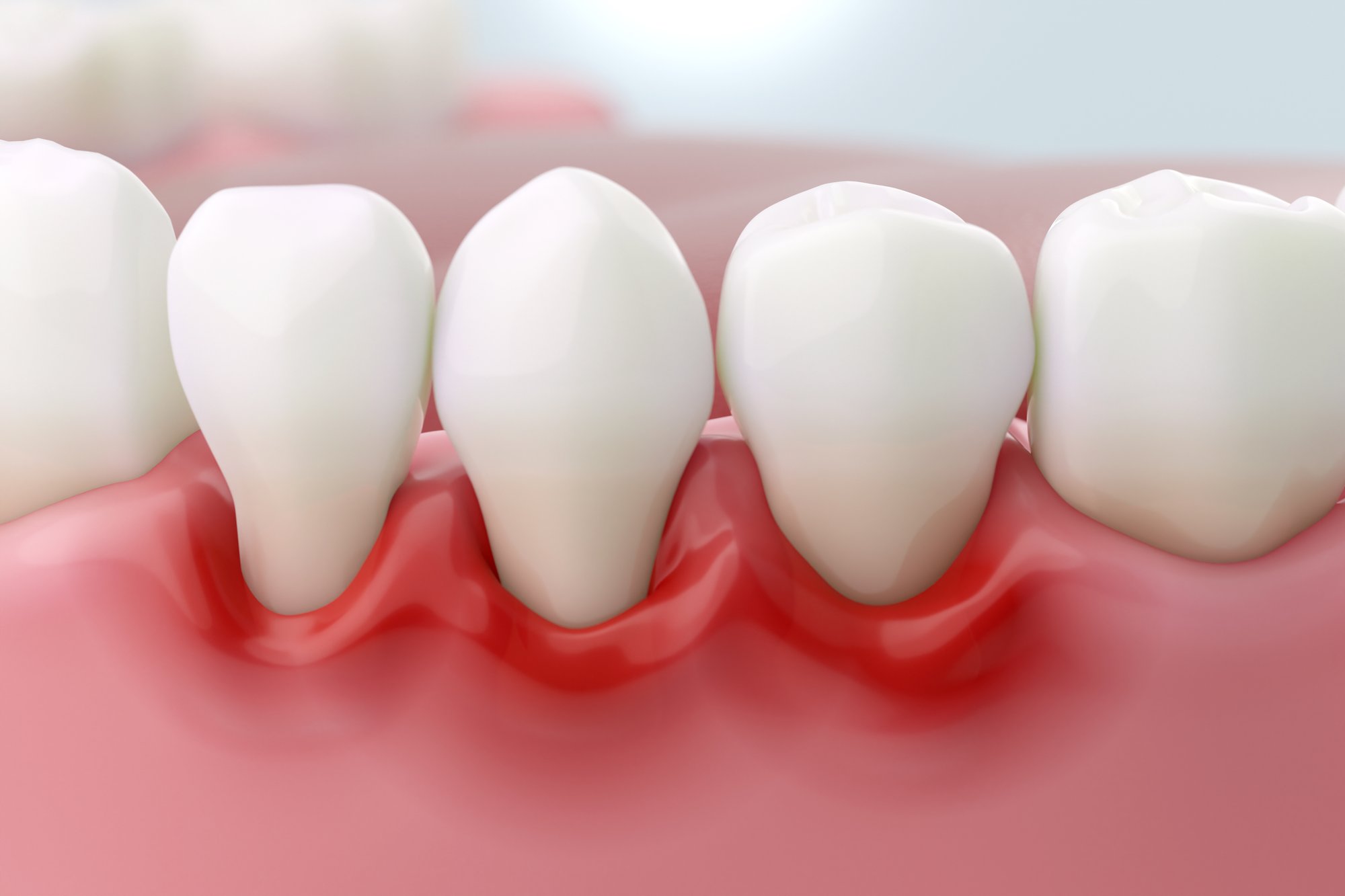
Worried that a gum disease diagnosis means an operation? In many cases, dentists can treat gum disease without surgery at all. Gum disease is a bacterial infection of the tissues that support your teeth. With early, attentive periodontal care, deep cleanings and other gentle methods can restore your gums. That means you can return to a favorite stroll along the Milwaukee Riverwalk with a healthy smile.
Key Takeaways
- Early gum disease can often be reversed without surgery. Prompt care makes all the difference.
- A deep cleaning removes bacteria below the gumline. It is the cornerstone of non-surgical treatment.
- Medications like antimicrobial rinses can support healing. They target the bacteria directly.
- Good home care keeps the results in place. Daily brushing and flossing are essential.
- Advanced cases may still need surgery. Catching it early keeps treatment gentle.
How Do Dentists Treat Gum Disease Without Surgery?
Most early and moderate gum disease responds well to non-surgical care. According to the Centers for Disease Control and Prevention, the main non-surgical option is a thorough deep cleaning, known clinically as scaling and root planing, often paired with prescribed medication such as an antimicrobial rinse. This clears the infection and lets the gums heal.
For many people, it is enough to restore periodontal health. The aim is to calm the infection so your gums can heal naturally, without an operation. Left alone, gum disease can quietly progress, which is why early care matters so much.
What Is a Deep Cleaning?
This treatment reaches deeper than a routine polish above the gumline. It removes plaque and hardened tartar from the pockets that form as gums pull away from the teeth. The tooth roots are then smoothed so bacteria have fewer places to cling. This gives the gums a clean, healthy surface to reattach to.
It is typically done with local anesthesia to keep you comfortable, sometimes over more than one visit. Removing that hidden buildup is what allows inflamed gums to settle and recover. Most people notice their gums feel firmer and less tender as they heal.
How Does Medication Help?
Medication can support the deep cleaning and speed healing. A dentist may prescribe an antimicrobial mouth rinse or place a medicine directly into a gum pocket. These target the bacteria that a cleaning alone might leave behind. Used together with professional care, they help calm the infection. Medication is a supporting player, though, rather than a replacement for the cleaning itself. An antimicrobial rinse can also make daily home care more effective between visits. The right combination depends on your specific case.
What Non-Surgical Options Are Available?
Non-surgical periodontal care includes several gentle, effective tools. A dentist tailors the mix to how far the gum disease has progressed.
- Scaling. Removes plaque and tartar. Cleans below the gumline.
- Root Planing. Smooths the tooth roots. Discourages new buildup.
- Antimicrobials. Target lingering bacteria. Support faster healing.
- Laser Therapy. Gently treats infected tissue. An option in some cases.
- Maintenance Visits. Keep gums stable. Prevent disease from returning.
Does Non-Surgical Treatment Really Work?
For early to moderate gum disease, non-surgical treatment is highly effective. Many people restore healthy gums with a deep cleaning and diligent home care. The key is acting before the disease damages the underlying bone. When caught in time, surgery can often be avoided entirely.
Results improve even more when you pair professional care with consistent habits at home. Many patients are surprised how much healthier their gums feel after a single course of care. Consistency is the real secret to keeping those results.
How Can You Keep Gums Healthy Afterward?
Lasting results depend on what happens after treatment. Brushing twice a day and flossing keep plaque from rebuilding along the gumline. Ongoing maintenance appointments let the team watch your gums and clean below the surface. With steady care, healthy gums can stay that way for good. Your dental team may also suggest more frequent cleanings if you are prone to buildup.
When Is Surgery Necessary?
Sometimes gum disease is too advanced for non-surgical care alone. Deep pockets and significant bone loss may call for a surgical approach to restore health. Even then, non-surgical treatment often comes first to reduce the infection. A dentist will recommend surgery only when it is clearly needed. The guiding principle is always to choose the least invasive route that restores your health.
A Gentler Path to Healthy Gums
So how do dentists treat gum disease without surgery? For most early and moderate cases, a deep cleaning, targeted medication, and good home care do the job. With timely periodontal care, you can often heal your gums and avoid the operating chair. The sooner you act, the gentler the path back to health. A quick evaluation is the first step toward calmer, healthier gums. Treating it early keeps your gums, and your smile, in good hands.
If you want to learn more about treating gum disease without surgery, visit our Periodontal Therapy in Milwaukee, WI page to schedule a consultation.