
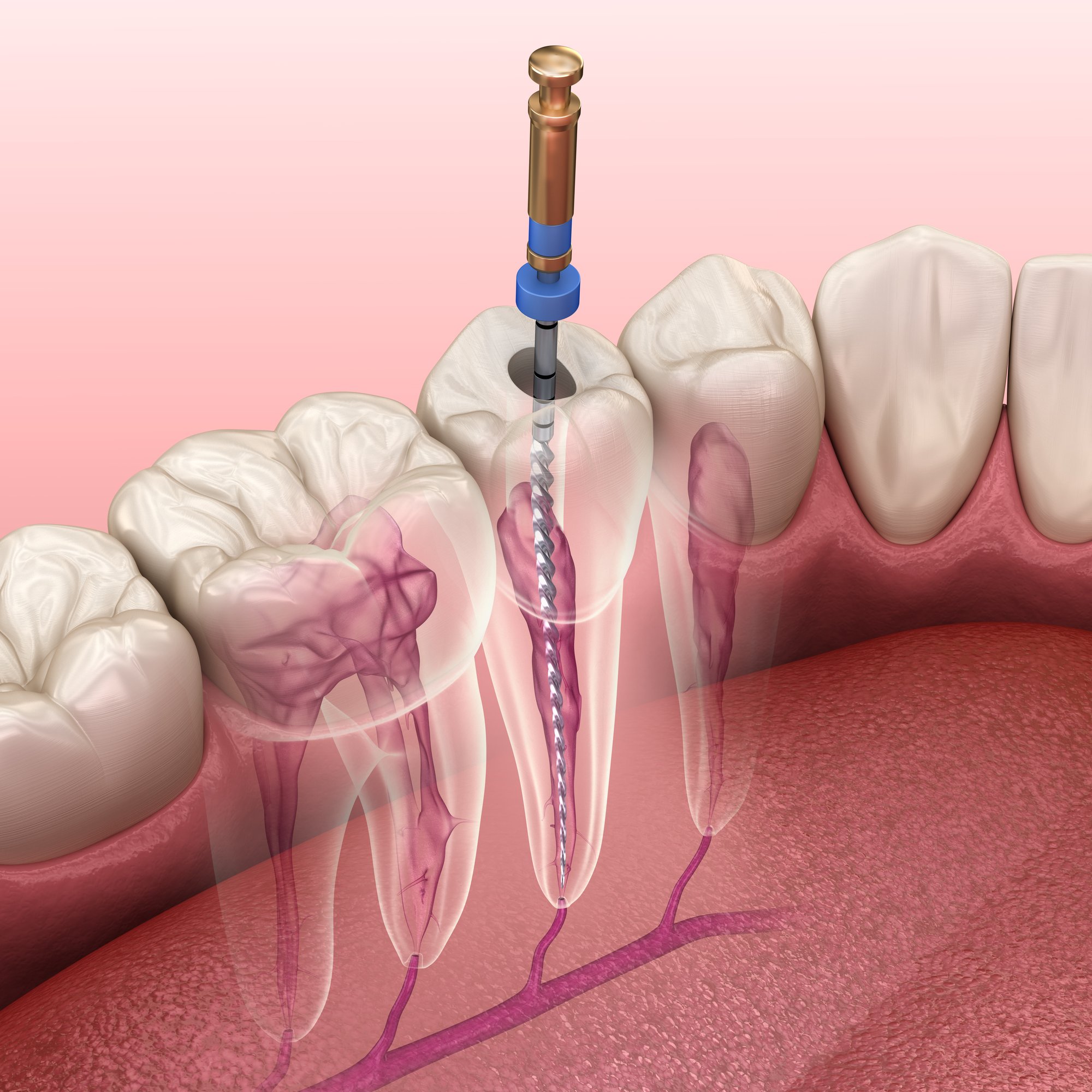
Dreading a root canal because of its painful reputation? So does a root canal hurt the way people fear? A root canal is a treatment that removes infected tissue from inside a tooth to save it. With modern anesthesia, root canal therapy is far more comfortable than its reputation suggests. You could be back to enjoying a warm afternoon among the greenery of the Mitchell Park Domes before you know it.
Key Takeaways
- The pain people fear usually comes from the infection, not the treatment. A root canal relieves that pain.
- Modern anesthesia keeps the procedure comfortable. It feels much like getting a filling.
- A little tenderness for a day or two is normal. A standard pain reliever handles it easily.
- A root canal saves your natural tooth. That protects your bite and your smile.
- Delaying treatment lets the infection worsen. Prompt care is the more comfortable choice.
Does a Root Canal Really Hurt?
The short answer is that it should not, at least not the way you may imagine. According to the American Association of Endodontists, the pain people associate with root canals usually comes from the infection inside the tooth, not the procedure itself. Treating that infection actually relieves the pain. Modern instruments and effective anesthetics keep patients comfortable throughout. In other words, the treatment is designed to end pain, not create it. Today’s approach focuses on keeping you relaxed from start to finish.
Why Does a Root Canal Have Such a Bad Reputation?
The fearsome reputation is largely a leftover from the past. Decades ago, before modern anesthesia and techniques, the procedure could be uncomfortable. Today, those outdated stories still circulate even though the experience has changed dramatically. In reality, a root canal now feels much like having a routine filling placed. Understanding that can turn dread into reassurance before you ever sit down.
What Actually Causes the Pain?
The severe pain people dread comes from the tooth, not the dentist. When the pulp inside a tooth becomes infected or inflamed, it can throb and ache intensely. A root canal removes that damaged tissue, which is exactly what ends the pain. So the treatment is the solution, not the source. Once the inflamed nerve is gone, the throbbing that kept you up at night goes with it.
What Does the Procedure Feel Like?
Knowing what to expect takes much of the worry away. From start to finish, your comfort is the priority at every step.
- Numbing First. The area is fully numbed. You should feel little more than pressure.
- Gentle Cleaning. Infected tissue is removed. This is what relieves the pain.
- Sealing the Tooth. The tooth is filled and sealed. It protects against reinfection.
- Quick Recovery. Mild soreness may follow. It fades within a few days.
- Lasting Relief. The nagging ache is gone. Your natural tooth stays put.
How Will You Feel Afterward?
Most people feel noticeably better once the infection is treated. Some tenderness around the tooth for a few days is normal as it heals. Over-the-counter pain relievers are usually all that is needed for comfort. Within a short time, the tooth feels like any other. Following simple aftercare instructions helps healing go smoothly. Most people return to their normal routine the same day.
Why Choose a Root Canal Over Extraction?
Saving your natural tooth is almost always the better outcome. A root canal keeps your bite intact and avoids the gap that pulling a tooth leaves behind. Natural teeth are also easier to care for than replacements. Whenever a tooth can be saved, preserving it protects your long-term oral health. Keeping your own tooth also spares you the time and cost of replacing it later.
Frequently Asked Questions
Is a root canal more painful than a filling?
For most people, it feels very similar to having a filling placed. The area is numbed, so you should feel pressure rather than pain. Any soreness afterward is usually mild and short-lived.
How long does root canal discomfort last?
Any tenderness usually settles within a few days. A standard pain reliever keeps you comfortable in the meantime. If discomfort lingers or worsens, let your dental team know.
What happens if I avoid a root canal?
Delaying treatment allows the infection to grow and the pain to intensify. The tooth may eventually be lost, and the infection can spread. Prompt care is the safer and more comfortable choice.
Comfort Over Fear
So does a root canal really hurt? Thanks to modern techniques, the procedure relieves pain far more than it causes it. Root canal therapy saves your natural tooth and ends the ache that brought you in. There is no need to let an old reputation stand between you and relief. If a tooth is aching, a prompt evaluation is the kindest thing you can do for it. Relief is closer and gentler than you might expect.
If you want to learn more about how comfortable a root canal really is, visit our Root Canal Therapy in Milwaukee, WI page to schedule a consultation.