
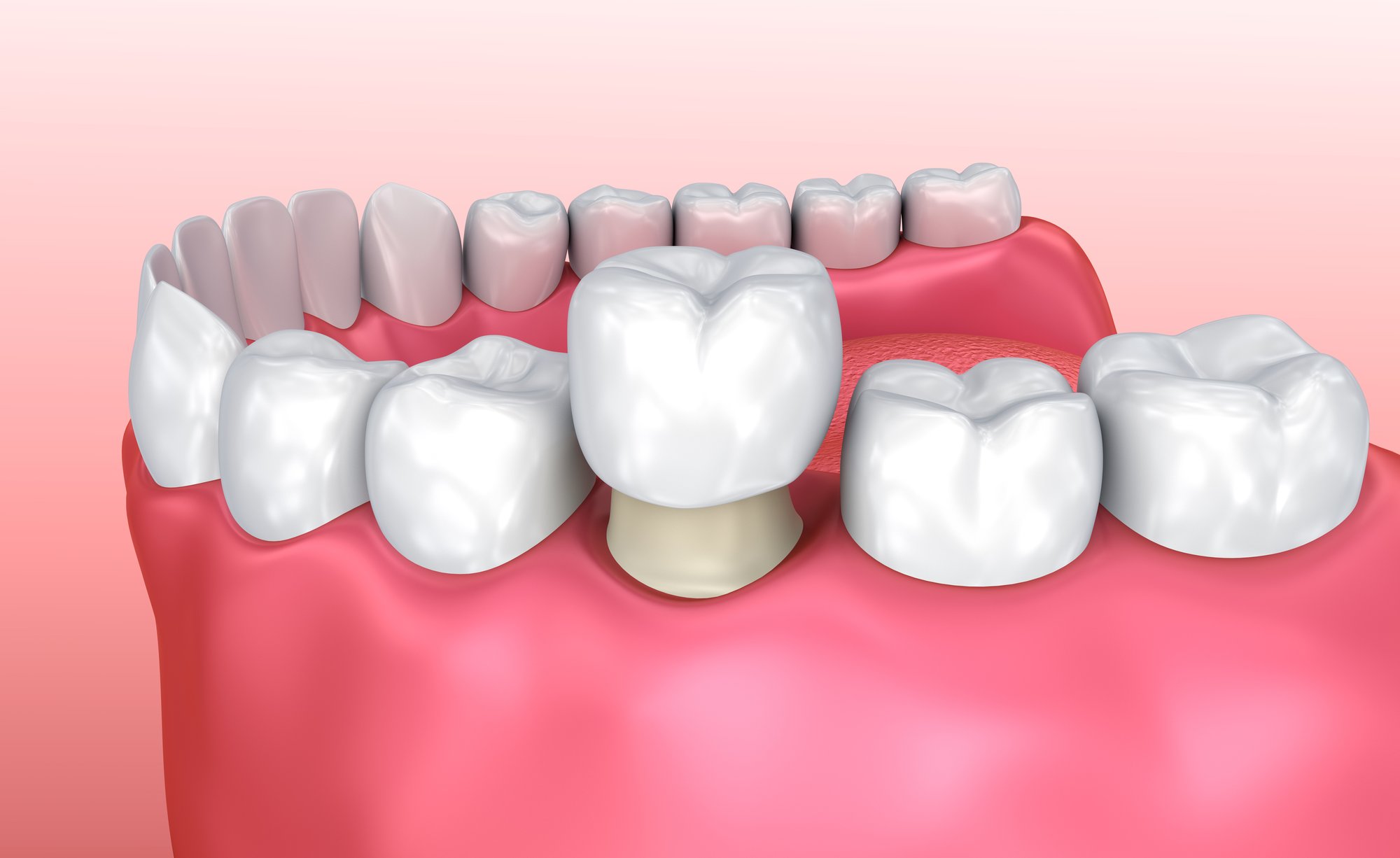
Told your tooth needs a crown when you expected a filling? It helps to know why. The crown vs. filling choice depends on how much healthy tooth remains and how strong it is. A filling packs material into a cleaned-out cavity, while a dental crown is a cap that covers the whole tooth to protect it. When too much tooth is missing or cracked, a filling cannot hold up, and a crown does the job. Knowing what tips the balance helps the recommendation make sense.
Key Takeaways
- Fillings handle small cavities, while crowns cover teeth with larger or structural damage.
- How much healthy tooth remains is the single biggest factor in the decision.
- A crown braces a cracked or weakened tooth, so chewing force cannot split it apart.
- A filling covering more than about a third of the tooth raises the risk of fracture.
- Back teeth almost always need a crown after a root canal to prevent cracking.
When Is a Filling Enough?
For small problems, a filling is the right call. According to the Cleveland Clinic, dentists use crowns to treat decayed, broken, or worn-down teeth, while fillings suit smaller cavities where solid tooth walls remain. A filling removes decay and packs the space with material that bonds to the tooth. It works best when the walls around it are still strong.
Caught early, most cavities need only a filling and nothing more. Composite fillings also match the tooth color, so the repair blends in. Small cavities caught at a checkup are the easiest to fix this way, as long as enough solid tooth remains to grip the filling.
When Do You Need a Crown?
A crown steps in when a tooth needs real support. So when do you need a crown? Usually when a large part of the tooth is gone, when a cusp, the pointed part of the tooth, is cracked, or after a root canal. A crown wraps the whole tooth and holds it together so it can handle chewing. It braces a weak tooth against breaking apart. Front teeth and back teeth can both need crowns, though back teeth take more force. A crown is also used to cover a dental implant or a worn-down tooth. After a root canal, a back tooth almost always needs a crown to keep it from cracking, because capping the tooth spreads the bite force evenly and lowers the risk of a break.
Why a Too-Big Filling Fails
Size is the heart of the large filling vs. crown decision. A filling leans on the tooth around it for support, so the bigger the filling, the less tooth is left to hold it. Once a filling covers more than about a third of the tooth, the tooth is more likely to crack under a normal bite. A crack can then run deep, sometimes past the point of saving the tooth. A crown avoids this by covering and bracing the whole tooth instead of filling a hole. That is why a dentist may suggest a crown even when a filling seems possible. An inlay or onlay can sometimes bridge the gap between a filling and a full crown, and paying for a crown once often costs less than a filling that fails and leads to bigger work.
What About Cracks?
Cracks change the plan. A tooth with a crack often cannot be fixed with a filling, because chewing flexes the crack and makes it worse. A crown holds the pieces together and stops the crack from spreading. If the crack reaches the pulp, the living center of the tooth, a root canal may come first, then a crown. Catching a crack early gives the tooth its best chance. Symptoms like pain when you bite down or release can hint at a crack. Only an exam, and sometimes an X-ray, can show how deep it goes.
How Long Do Fillings and Crowns Last?
Both can last for years with good care. Fillings often last five to fifteen years, depending on size and location. Crowns last about the same, and many go longer. Brushing, flossing, and regular checkups protect both, and a mouth guard worn at night helps if you grind. The tooth under a crown can still get a cavity at the edge, so daily care still matters. Grinding, poor hygiene, and skipped visits shorten the life of both. Because both can chip or loosen, a quick check at each visit keeps them working.
Choosing the Right Fix for Your Tooth
The crown vs. filling question really depends on how much healthy tooth is left. A filling restores a small cavity, while a dental crown protects a tooth that is cracked, worn, or badly decayed. Choosing a filling when a crown is needed often leads to a bigger, costlier repair later.
If you want to learn more about the crown vs. filling decision, visit our Dental Crowns in Milwaukee, WI page or schedule a consultation.