
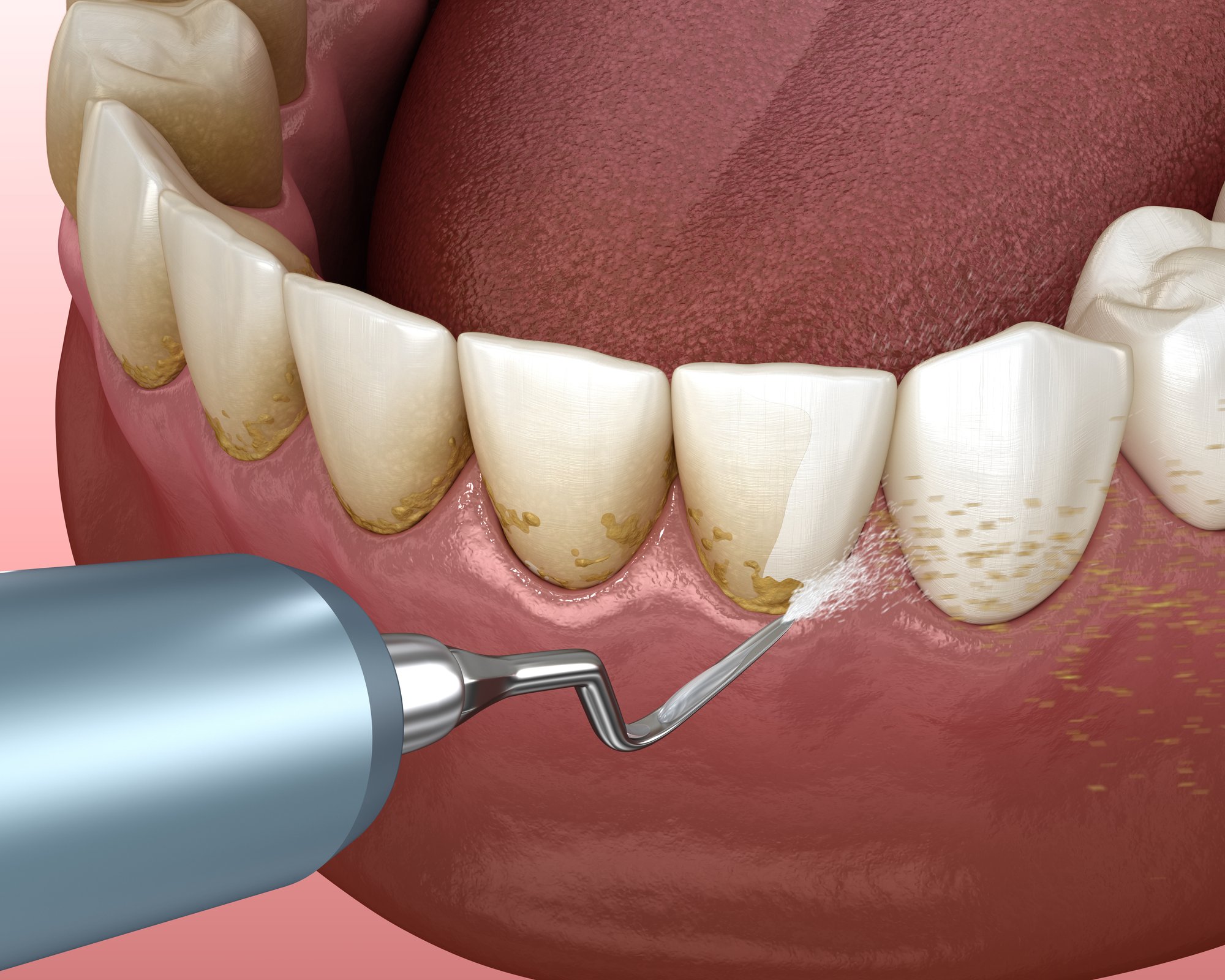
Are twice-a-year cleanings enough to keep your mouth healthy? For a lot of people, the answer is yes. A professional teeth cleaning removes the plaque and hardened tartar that brushing at home leaves behind. Two visits a year work well if your gums are healthy and you take good care of your teeth. But some people need to come in more often, and it helps to know which group you are in before your next Brewers game.
Key Takeaways
- For healthy mouths, two cleanings a year are usually enough. It works well for a lot of people.
- Cleanings remove plaque and tartar that brushing cannot reach. This helps prevent gum disease.
- Some people need cleanings every three or four months. Risk factors decide this.
- Smoking, diabetes, and gum disease raise your risk. So does a history of frequent cavities.
- Your team sets the right schedule for you. It is based on your own mouth, not a fixed rule.
Are Twice-a-Year Cleanings Enough for Healthy Adults?
For many healthy adults, yes, two cleanings a year get the job done. Healthline notes that the American Dental Association suggests visiting the dentist regularly, which is about every six months for a lot of people. These visits let us remove buildup and catch small problems early. If your gums are healthy and you brush and floss well, you are likely in good shape. Still, the right number depends on your own mouth.
Think of two cleanings a year as a solid baseline. It is the right call for many healthy adults. From there, your team can fine-tune the plan. It is a small habit that protects your teeth for years.
Who Needs More Than Two Cleanings a Year?
Some people do better with a cleaning every three or four months. This includes anyone with gum disease or a history of it. It also includes people who smoke or have diabetes. If you get cavities often or build up tartar fast, you may need extra visits too. More frequent cleanings help keep these issues under control.
Braces can also make cleaning at home harder. Pregnancy is another time when gums may need extra care. Certain medications that dry out your mouth can raise your risk too. When you are not sure, just ask us what fits your situation.
What Happens If You Wait Too Long?
Skipping cleanings gives plaque time to harden into tartar. Once that happens, only a dental tool can remove it. When tartar builds up, it can cause gum disease and decay. Small problems that could have been easy fixes can turn into big ones. Staying on schedule saves you money and trouble down the road.
Bad breath and stained teeth can creep in too. A regular visit keeps your smile fresh and bright. It is easier to stay ahead than to catch up.
What Does a Cleaning Actually Do?
A cleaning does a lot more than polish your teeth. A hygienist clears away plaque and hard tartar along the gumline. After that, your teeth get a smooth polish and a good flossing. We also check for early signs of gum disease and decay.
This is care you simply cannot copy at home. Even great brushing misses a few spots. That is why the professional visit matters so much. You leave with a cleaner, healthier mouth every single time. It is a simple, painless way to stay ahead of trouble.
How Is Your Cleaning Schedule Decided?
There is no single rule that fits everyone. Your team looks at your gums, your history, and how fast you build up tartar. Then we suggest a teeth cleaning schedule that fits your needs. For some people, that is twice a year, and for others it is more often. We check in and adjust it over time as your mouth changes.
You are never locked into one schedule for good. If your risk goes down, visits can be spaced out again. The goal is the right care, not extra visits.
Frequently Asked Questions
How long does a cleaning take?
A routine cleaning usually takes about thirty minutes to an hour. It depends on how much buildup you have. A deep cleaning may take a bit longer than that.
Can I skip a cleaning if my teeth feel fine?
It is best not to skip. Gum disease and cavities often cause no pain early on. A cleaning catches these before they get worse.
Do cleanings hurt?
Most cleanings are quick and painless. You may feel mild pressure or a little sensitivity. Let your team know if anything feels uncomfortable.
Find the Right Schedule for You
So, are twice-a-year cleanings enough? For plenty of people, yes, but not for everyone. The best plan depends on your gums, your habits, and your health. A regular teeth cleaning schedule that fits you is the surest way to keep your smile healthy.
If you want to learn more about how often you need a cleaning, visit our Teeth Cleaning in Milwaukee, WI page or schedule a consultation.